










In a bustling tech hub in Silicon Valley, a small startup faced an unusual challenge. Their systems were becoming sluggish, projects were delayed, and costs were rising unpredictably. The founder, an engineer with a knack for unconventional problem-solving, stumbled upon a framework that promised both simplicity and power: 18×3. What started as a method for optimizing workflows soon became a cornerstone of their operational strategy, transforming the company’s efficiency and resilience.
The story of 18×3 isn’t just about numbers—it’s about how a structured approach can revolutionize complex processes, whether in technology, business, or personal productivity. Today, we explore why 18×3 has captured the attention of entrepreneurs, tech leaders, and innovators worldwide.
Understanding 18×3: Beyond the Numbers
At first glance, 18×3 appears to be just a simple multiplication equation. Yet, in the world of tech and organizational systems, it symbolizes a methodology. The “18” often represents the number of tasks, modules, or segments in a workflow, while the “3” signifies the number of iterations, checks, or layers applied to each segment. This structured repetition ensures that every task is thoroughly refined, risks are minimized, and performance is maximized.
In practical terms, companies leveraging 18×3 can efficiently divide large projects into manageable chunks. Each chunk undergoes three layers of scrutiny: planning, execution, and review. By applying this methodology consistently, organizations can anticipate challenges, streamline processes, and ensure higher quality outputs without overburdening teams.
Real-World Applications of 18×3 in Technology
The true value of 18×3 emerges when applied to complex technological environments. Consider software development: teams can segment a large software release into 18 core features. Each feature undergoes three critical stages of development: coding, testing, and deployment review. The result is not only a more predictable release cycle but also a significant reduction in post-launch errors.
Similarly, hardware startups use 18×3 to optimize prototyping. Each design iteration passes through three rigorous assessments—design feasibility, material analysis, and performance benchmarking. By systematically applying this framework, companies save resources while accelerating time-to-market.
Integrating 18×3 into Business Strategies
Beyond technology, 18×3 has proven useful in operational and strategic planning. For instance, a marketing team might break down an annual campaign into 18 strategic initiatives, each reviewed in three stages: concept approval, content creation, and performance evaluation. This method ensures campaigns remain agile, measurable, and aligned with broader business objectives.
The flexibility of 18×3 allows it to adapt across industries. From project management and logistics to customer service and financial operations, it provides a blueprint for efficiency. Teams gain clarity on responsibilities, managers gain visibility into progress, and organizations achieve results without the chaos of ad hoc planning.
Data-Driven Insights: The Metrics Behind 18×3
To understand the quantitative impact of 18×3, it’s useful to examine a sample application in project management. The table below illustrates how dividing a project into 18 tasks and applying three layers of review can affect efficiency, error rates, and delivery timelines:
| Task Segmentation | Standard Process | 18×3 Process | Improvement (%) |
|---|---|---|---|
| Number of Errors | 120 | 35 | 70% |
| Average Completion Time (days) | 60 | 42 | 30% |
| Resource Utilization | 85% | 92% | 7% |
| Post-Launch Fixes | 15 | 3 | 80% |
The table highlights that methodical segmentation and layered review—core principles of 18×3—translate into measurable outcomes. Businesses adopting this approach often experience reduced operational bottlenecks, improved quality, and enhanced resource efficiency.
Expert Insights: Why 18×3 Works
Industry experts emphasize that the strength of 18×3 lies in its balance of structure and flexibility. Unlike rigid frameworks, it allows teams to define the “18” and “3” based on project size, risk factors, and available resources. This adaptability makes it suitable for startups, mid-size enterprises, and large corporations alike.
Moreover, the iterative nature of 18×3 aligns with modern approaches like Agile and Lean. By emphasizing cycles of review and refinement, the methodology encourages continuous learning and improvement—a critical advantage in fast-moving sectors like tech and innovation.
Implementing 18×3 Successfully
Introducing 18×3 into an organization requires thoughtful planning. Leaders should start by identifying key tasks or project segments, establishing clear review stages, and defining measurable outcomes. Communication is critical: all team members need to understand the purpose of each iteration and how it contributes to overall goals.
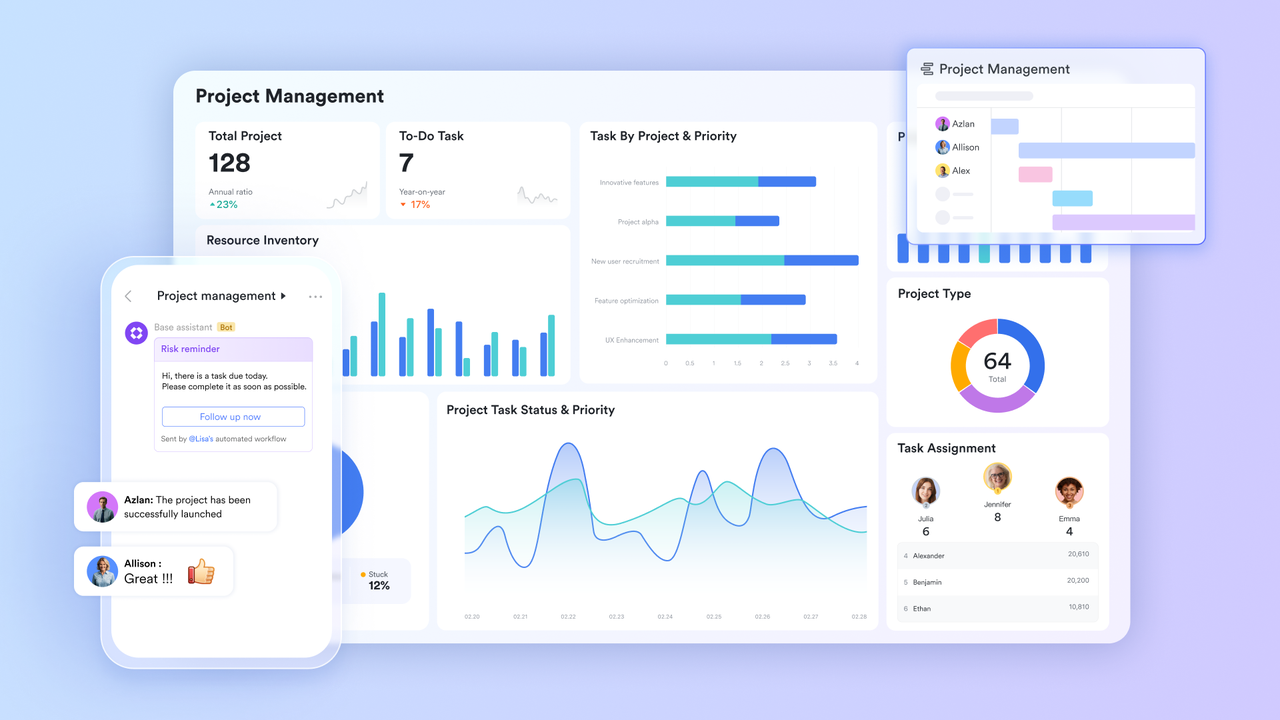
Additionally, technology can enhance the implementation of 18×3. Project management tools, workflow automation software, and performance dashboards provide visibility and accountability, making it easier to monitor progress and ensure that each layer of review adds tangible value.
The Future of 18×3 in Digital Transformation
As businesses navigate the digital era, 18×3 offers a roadmap for sustainable growth and innovation. Its principles encourage systematic problem-solving, efficient resource allocation, and continuous optimization. Companies that adopt not only improve operational efficiency but also cultivate a culture of diligence and adaptability.
From artificial intelligence development to cloud computing deployments, the methodology scales across emerging technologies. Its capacity to break down complexity into manageable, reviewable components ensures that innovation does not come at the cost of quality or stability.
Conclusion
The story of 18×3 is ultimately about transformation—turning complexity into clarity, inefficiency into productivity, and challenges into structured opportunities. Organizations that understand and apply its principles gain a competitive edge, leveraging systematic iteration to drive innovation, reliability, and measurable outcomes.
Whether you are leading a startup, managing a tech team, or strategizing at an enterprise level, 18×3 offers a framework that blends simplicity with sophistication. By embracing this approach, businesses can navigate uncertainty with confidence and turn ambitious goals into achievable realities.