









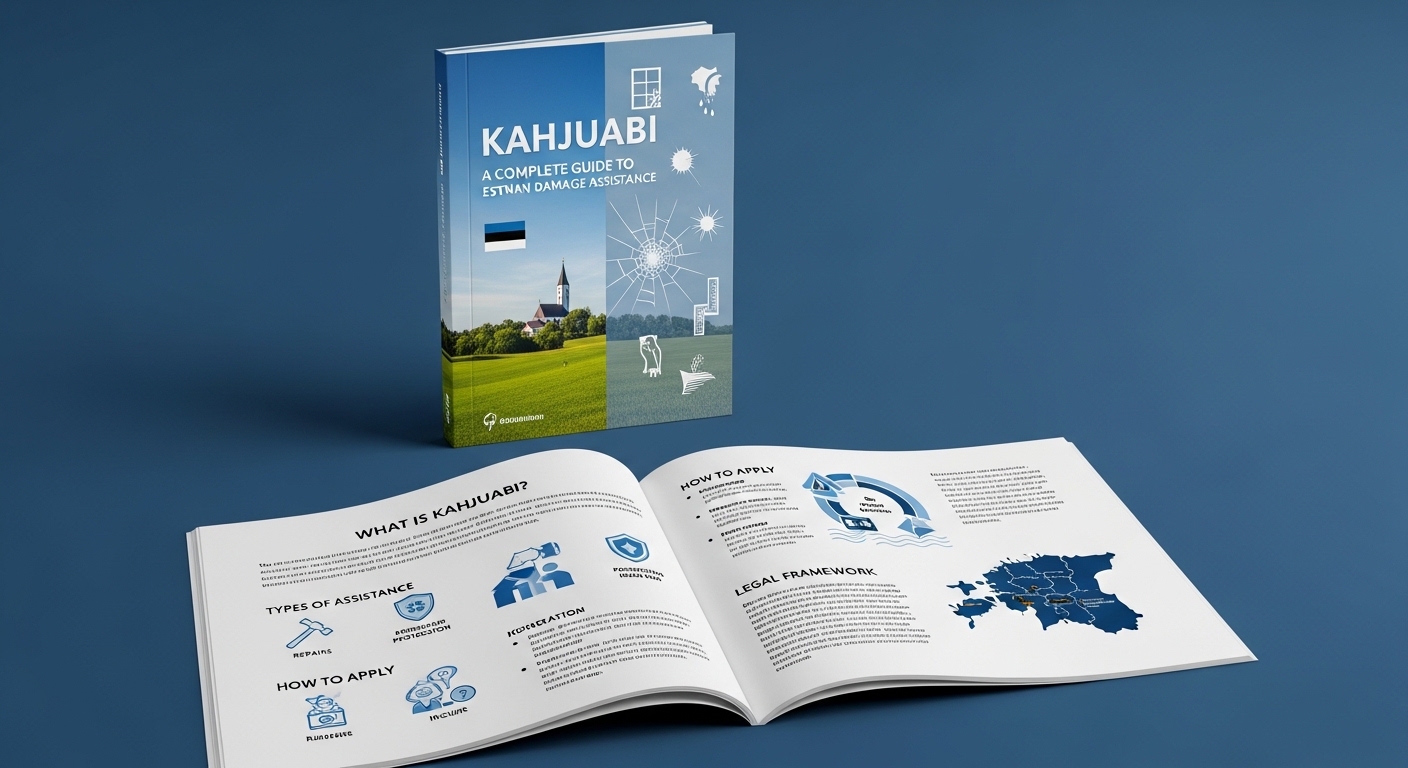
The storm had passed, but the silence afterward was unsettling. For a small business owner standing in a flooded warehouse, the damage was obvious, yet the path forward was not. Calls needed to be made, reports filed, assessments completed, and decisions taken under pressure. In moments like these, what people need most is not just compensation, but clarity. This is where kahjuabi enters the story, quietly redefining how individuals and organizations recover from loss.
Kahjuabi, a concept rooted in structured damage assistance and recovery support, is no longer limited to paperwork and delayed responses. It has evolved into a coordinated system that blends expertise, process, and increasingly, technology. In a world where risks are more complex and disruptions more frequent, kahjuabi has become an essential framework for resilience.
Understanding Kahjuabi in a Modern Context
At its core, kahjuabi refers to professional support provided after damage or loss, helping affected parties navigate assessment, documentation, and recovery. Traditionally, this process focused on verifying what happened and determining financial compensation. Today, the scope is broader and more strategic.
Modern kahjuabi looks at damage holistically. It considers not only physical loss, but also operational downtime, reputational impact, and long-term stability. For entrepreneurs and founders, this shift is critical. A delayed or poorly managed recovery can be more damaging than the original incident itself. Effective kahjuabi helps bridge the gap between disruption and continuity, turning a reactive process into a guided recovery journey.
Why Kahjuabi Matters More Than Ever
The frequency of unexpected events has increased across industries. Cyber incidents, supply chain disruptions, climate-related damage, and infrastructure failures are no longer rare scenarios. As risks multiply, so does the need for structured assistance that goes beyond basic claims handling.
Kahjuabi matters because it reduces uncertainty. When damage occurs, decision-makers are often overwhelmed by urgency and incomplete information. A strong kahjuabi process introduces order at precisely the moment chaos threatens to take over. It aligns experts, timelines, and responsibilities so recovery can begin immediately rather than after weeks of confusion.
For growing companies, this can mean the difference between survival and closure. For individuals, it can mean regaining stability without prolonged stress. Kahjuabi acts as a stabilizing force, restoring confidence when it is most fragile.
The Evolution From Reactive Help to Strategic Support
Historically, damage assistance followed a linear path. An incident occurred, evidence was collected, an assessment was made, and compensation followed. While functional, this model was slow and often disconnected from real-world needs.
Today’s kahjuabi is more proactive and integrated. Specialists may be involved early, even before a full assessment is complete. Digital documentation speeds up verification. Communication channels are clearer, and expectations are set from the start. The emphasis is no longer just on settling a case, but on enabling recovery with minimal disruption.
This evolution reflects a broader shift in how organizations view risk. Damage is no longer treated as an isolated event, but as part of an ongoing risk lifecycle. Kahjuabi fits into this lifecycle as the recovery phase, informed by data and shaped by experience.
Kahjuabi and the Entrepreneurial Mindset
For entrepreneurs and founders, kahjuabi aligns closely with strategic thinking. Startups and growing businesses operate with limited buffers. A single incident can derail momentum built over years. In this environment, damage assistance must be fast, transparent, and aligned with business priorities.
Effective kahjuabi understands context. It recognizes that a delayed facility repair may also delay product launches, investor meetings, or customer deliveries. By factoring these realities into recovery planning, kahjuabi becomes a partner rather than a procedural hurdle.
This mindset shift is especially important for tech-driven businesses, where intangible assets like data, intellectual property, and service uptime are often more valuable than physical infrastructure. Modern kahjuabi frameworks are increasingly designed to address these non-traditional forms of damage.
Where Technology Strengthens Kahjuabi
Technology has become a quiet but powerful enabler of kahjuabi. Digital reporting tools allow damage to be documented in real time. Data analytics help identify patterns and predict recovery timelines. Automated workflows reduce administrative delays that once slowed the process.
More importantly, technology improves transparency. Stakeholders can track progress, understand next steps, and see how decisions are made. This visibility builds trust, which is essential when emotions and financial pressures are high.
However, technology alone is not enough. Kahjuabi works best when digital tools are combined with human judgment. Experienced professionals interpret data, manage communication, and adapt processes to unique circumstances. The balance between automation and expertise is what defines high-quality kahjuabi today.
A Practical Comparison of Kahjuabi Approaches
To understand the value of modern kahjuabi, it helps to compare traditional and evolved approaches side by side.
| Aspect | Traditional Damage Assistance | Modern Kahjuabi |
|---|---|---|
| Focus | Compensation after loss | Recovery and continuity |
| Speed | Often slow and sequential | Faster, parallel processes |
| Scope | Physical damage only | Physical, operational, and strategic impact |
| Transparency | Limited updates | Ongoing visibility |
| Role | Administrative function | Strategic recovery support |
This comparison highlights why kahjuabi is no longer just a backend process. It has become a front-line component of risk management and resilience planning.
The Human Side of Kahjuabi
While systems and strategies matter, kahjuabi ultimately serves people. After damage, individuals and teams are often dealing with stress, frustration, and uncertainty. Clear guidance and empathetic communication can significantly ease this burden.
Strong recognizes emotional context without losing objectivity. It sets realistic expectations, explains decisions clearly, and avoids unnecessary complexity. This human-centered approach is especially important in high-stakes situations where trust can easily erode.
For leaders, understanding this dimension is crucial. Choosing or designing a kahjuabi framework is not just about efficiency, but about how recovery is experienced by those affected.
Kahjuabi as Part of Long-Term Resilience
The most forward-thinking organizations view kahjuabi not as an endpoint, but as a learning opportunity. Each recovery reveals insights about vulnerabilities, response times, and decision-making processes. When these insights are captured and applied, future damage can be mitigated or even prevented.
In this way, feeds back into risk assessment and preparedness. It informs better planning, smarter investments, and more realistic contingency strategies. Over time, this creates a cycle of continuous improvement, where recovery strengthens rather than weakens the organization.
For entrepreneurs and tech leaders, this perspective is particularly valuable. It transforms damage from a purely negative event into a catalyst for smarter growth.
Looking Ahead: The Future of Kahjuabi
As risks continue to evolve, kahjuabi will adapt alongside them. We can expect greater integration with predictive analytics, more emphasis on real-time response, and closer alignment with overall business strategy. The role of professionals may increasingly resemble that of recovery advisors rather than assessors.
What will remain constant is the core purpose: helping people and organizations move from loss to stability with clarity and confidence. In a world defined by uncertainty, offers a structured way forward.
Conclusion
Kahjuabi is no longer a background process reserved for worst-case scenarios. It is a critical capability that reflects how prepared an organization truly is. When designed thoughtfully, it reduces downtime, preserves trust, and supports long-term resilience.
For founders, entrepreneurs, and decision-makers, investing attention in an investment in continuity. Damage may be inevitable, but confusion and prolonged disruption are not. With the right approach, turns recovery into a managed, even strengthening, experience.