









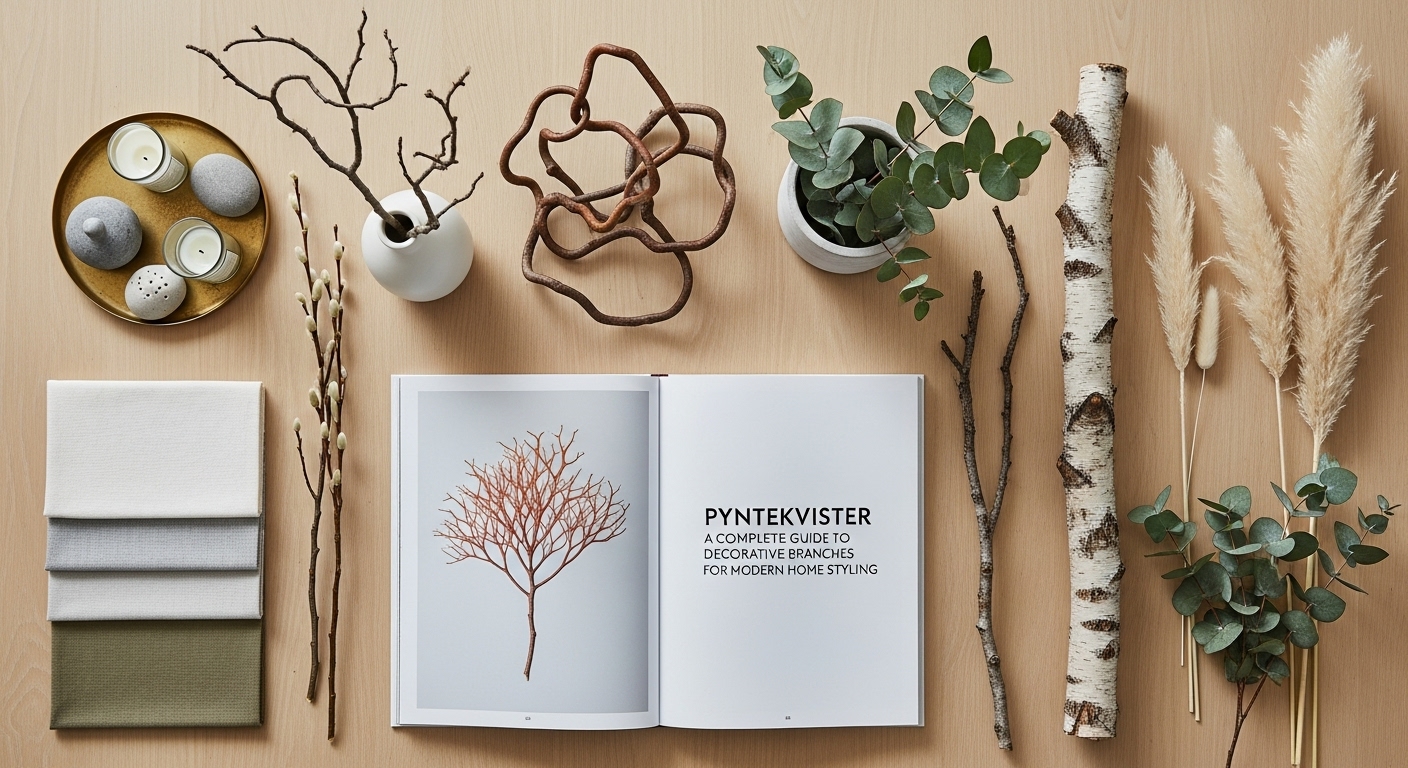
Pyntekvister have become a popular element in modern interior design, especially for those who appreciate natural, minimalist, and Scandinavian-inspired décor. The term refers to decorative branches used to enhance indoor and outdoor spaces without overwhelming the overall design. In recent years, pyntekvister have gained attention because they offer a simple yet sophisticated way to bring nature into the home while remaining versatile and affordable.
Unlike traditional floral arrangements, decorative branches provide long-lasting beauty and can be styled in countless ways. From rustic homes to contemporary apartments, these natural accents fit seamlessly into different environments.
What Are Pyntekvister and Why Are They Popular?
Pyntekvister are carefully selected branches, often dried or preserved, used purely for decorative purposes. They may come from birch, willow, cherry, eucalyptus, or other tree species known for their visual appeal. Their popularity comes from their ability to create texture, height, and organic charm without the maintenance required by fresh flowers.
One major reason people choose these branches is their adaptability. They can be left in their natural state or enhanced with lights, ornaments, or paint to suit different themes. As interior trends move toward sustainability and simplicity, decorative branches offer an ideal balance between style and nature.
Pyntekvister in Scandinavian and Modern Design
Scandinavian design emphasizes light, space, and natural materials. Pyntekvister align perfectly with this philosophy. Their clean lines and neutral tones complement wood furniture, soft textiles, and muted color palettes commonly found in Nordic interiors.
In modern homes, decorative branches are often placed in tall vases to create visual height and interest. They can soften sharp architectural lines and add warmth to minimal spaces. Because they are subtle, they do not compete with furniture or artwork, making them a favorite choice for designers and homeowners alike.
Types of Pyntekvister for Home Decoration
There are several types of pyntekvister available, each offering a different aesthetic effect.
Natural dried branches are the most common and provide an earthy, authentic look. Painted branches, often in white, black, or metallic tones, suit modern and festive interiors. Some people prefer preserved branches that retain flexibility and color for longer periods.
Seasonal varieties are also popular. Spring branches may feature buds, while winter options often include bare twigs ideal for holiday decorations. Choosing the right type depends on the mood and function of the space.
How to Style Pyntekvister in Different Rooms
Styling pyntekvister is simple, yet it allows for creativity. In living rooms, tall branches placed near windows or corners create a natural focal point. Bedrooms benefit from softer, smaller arrangements that add calmness and balance.
In dining areas, decorative branches can serve as centerpieces when arranged in low vases. Entryways are another ideal location, as branches immediately create a welcoming and stylish first impression. Even bathrooms can benefit from minimal arrangements that add a spa-like atmosphere.
Seasonal and Festive Uses of Pyntekvister
One of the most appealing aspects of pyntekvister is their seasonal versatility. During winter, they can be decorated with fairy lights, ornaments, or ribbons for a festive look. In autumn, branches pair beautifully with dried leaves, berries, or warm-toned accessories.
Spring and summer styling often focuses on simplicity, using light-colored branches and airy vases. This adaptability allows homeowners to refresh their décor throughout the year without replacing the main decorative element.
Sustainability and Eco-Friendly Benefits of Pyntekvister
Sustainability plays a major role in the growing interest in decorative branches. Pyntekvister are often sourced from natural pruning or fallen branches, making them an eco-friendly alternative to mass-produced décor items.
Because they are durable and reusable, they reduce waste and support a more mindful approach to home styling. Many people also enjoy creating their own arrangements by responsibly collecting branches, adding a personal and environmentally conscious touch to their interiors.
Care and Maintenance of Pyntekvister
Maintaining pyntekvister is straightforward. Dried branches require minimal care and should be kept away from excessive moisture to prevent damage. Occasional dusting is usually enough to keep them looking fresh.
If the branches are painted or treated, they should be handled gently to avoid chipping. Proper placement away from direct sunlight can also help preserve their appearance over time, ensuring they remain a lasting decorative feature.
Why Pyntekvister Are a Timeless Décor Choice
Trends in interior design change frequently, but pyntekvister remain relevant because of their simplicity and natural appeal. They do not rely on bold colors or complex designs, making them suitable for evolving tastes.
Their timeless quality allows them to blend with both traditional and modern interiors. Whether used as a statement piece or a subtle accent, decorative branches continue to offer beauty and balance in home décor.
Conclusion
Pyntekvister offer a unique way to decorate living spaces with elegance, sustainability, and versatility. Their natural charm, combined with endless styling possibilities, makes them an excellent choice for anyone looking to refresh their home without excessive cost or effort.
By incorporating decorative branches thoughtfully, you can create a calm, stylish environment that reflects modern design values while staying connected to nature.