








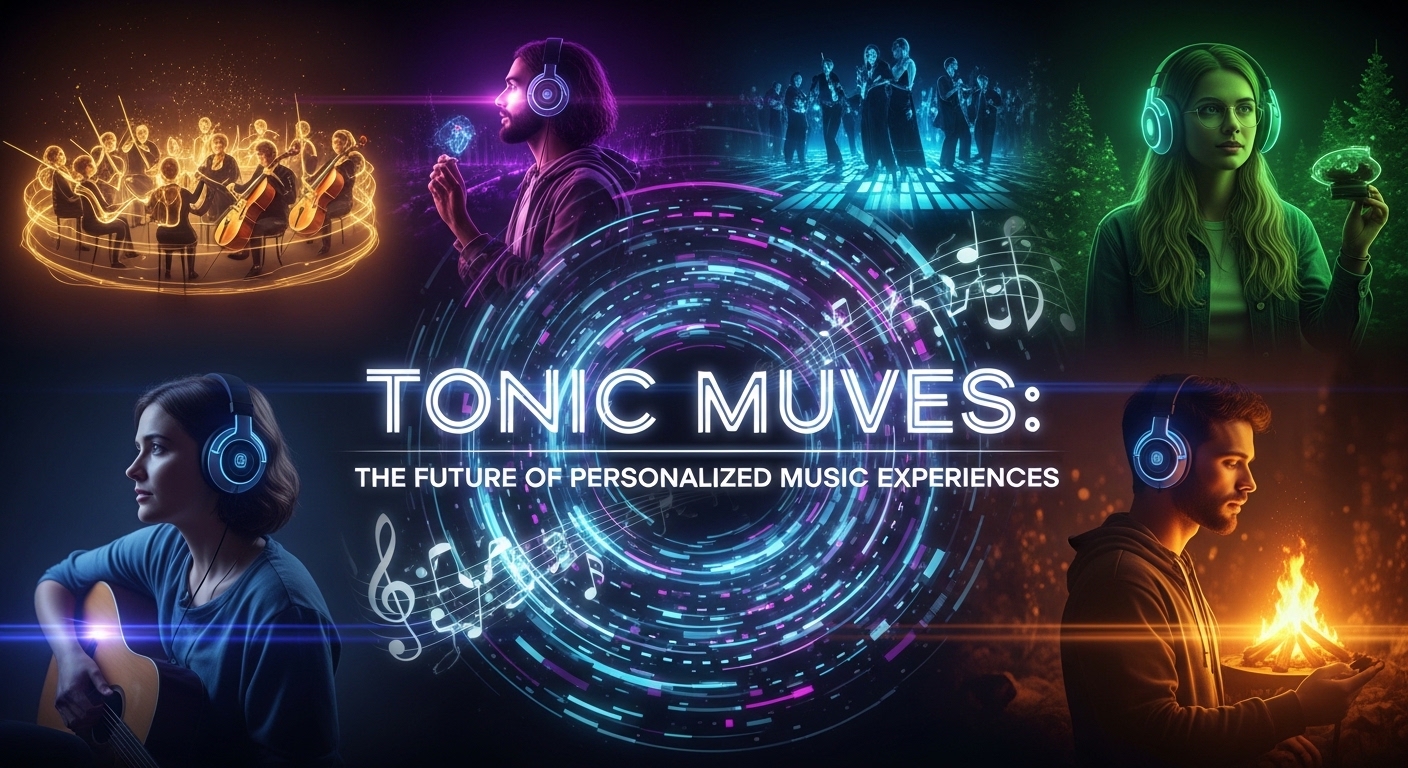
It all started on a rainy evening in Berlin. Anna, a music enthusiast and software engineer, was scrolling through playlists, trying to find a track that matched her mood. Nothing fit. She wanted something intuitive, something that understood her emotional rhythm. That night, the idea of tonic muves was born—a concept blending artificial intelligence, music theory, and emotional analytics to create personalized, mood-driven musical experiences.
In essence, tonic muves is more than just technology; it’s a bridge between human emotion and digital soundscapes. By analyzing patterns in listeners’ behavior, preferences, and even biometrics, it generates music that resonates personally, moment by moment.
Understanding Tonic Muves: The Science Behind the Sound
At its core, a tonic muves system combines elements of music theory with cutting-edge machine learning. Unlike traditional streaming services, which rely heavily on pre-existing playlists or algorithmic suggestions, tonic muves actively creates music tailored to the listener.
The process begins with a deep understanding of music structure. Notes, scales, rhythm patterns, and chord progressions are analyzed. Then, AI algorithms interpret data from listeners—such as heart rate, time of day, and past listening history—to generate a musical piece that harmonizes with their mood.
This is where tonic muves stands out: it is dynamic. A song isn’t static; it evolves as the listener’s context changes. Whether someone is meditating, exercising, or working late into the night, the system adjusts the music in real time, crafting a continuously evolving soundtrack for life.
Real-World Applications of Tonic Muves
The impact of tonic muves extends beyond personal playlists. Its applications are revolutionizing industries:
-
Wellness and Therapy: Music therapy has long been recognized for emotional healing. Tonic muves enhances this by generating tunes aligned with mental and emotional states, helping reduce anxiety, improve focus, or aid relaxation.
-
Fitness and Performance: Athletes and fitness enthusiasts can experience music that adapts to their energy output and pace, offering a rhythm that motivates while optimizing performance.
-
Retail and Hospitality: Businesses are using tonic muves to create immersive experiences. Imagine walking into a café where the background music shifts subtly with customer moods, enhancing comfort and engagement.
How Tonic Muves Personalization Works
| Component | Function |
|---|---|
| User Data | Collects listening history, mood inputs, biometric signals. |
| AI Composition Engine | Generates music by combining theory, rhythm, and emotional mapping. |
| Feedback Loop | Continuously adapts music based on real-time listener responses. |
| Integration Layer | Delivers seamless playback across devices and apps. |
This table illustrates how the different components of a tonic muves system interconnect to create an adaptive, personalized musical experience. Each layer works in harmony, ensuring that every note feels intentional and responsive.
The Technological Edge
What sets tonic muves apart is its combination of artificial intelligence and human-centered design. While AI composes, human emotion guides it. Using advanced neural networks, the system recognizes subtle patterns in listener behavior, predicting emotional shifts before they even happen.
This predictive capability enables to move from reactive playlists to proactive musical companions. It’s not just about matching a song to a mood—it’s about anticipating the mood itself and creating an auditory environment that complements life as it unfolds.
Challenges and Ethical Considerations
As with any technology deeply integrated with personal data, tonic muves raises questions about privacy, emotional manipulation, and data security. Collecting biometric and behavioral data must be transparent and consensual. Developers are exploring decentralized systems and edge computing to ensure sensitive information remains private while still delivering an optimized music experience.
Another challenge is maintaining the human touch. While AI can generate music based on patterns, the artistry and subtlety of human composers remain crucial. Many platforms collaborate with musicians to infuse AI-generated tracks with organic creativity, balancing technology with human artistry.
Looking Forward: The Next Era of Music
The rise of tonic muves is emblematic of a larger trend in entertainment: personalization. As listeners demand experiences that resonate on a deeper, emotional level, music will increasingly adapt to individual needs.
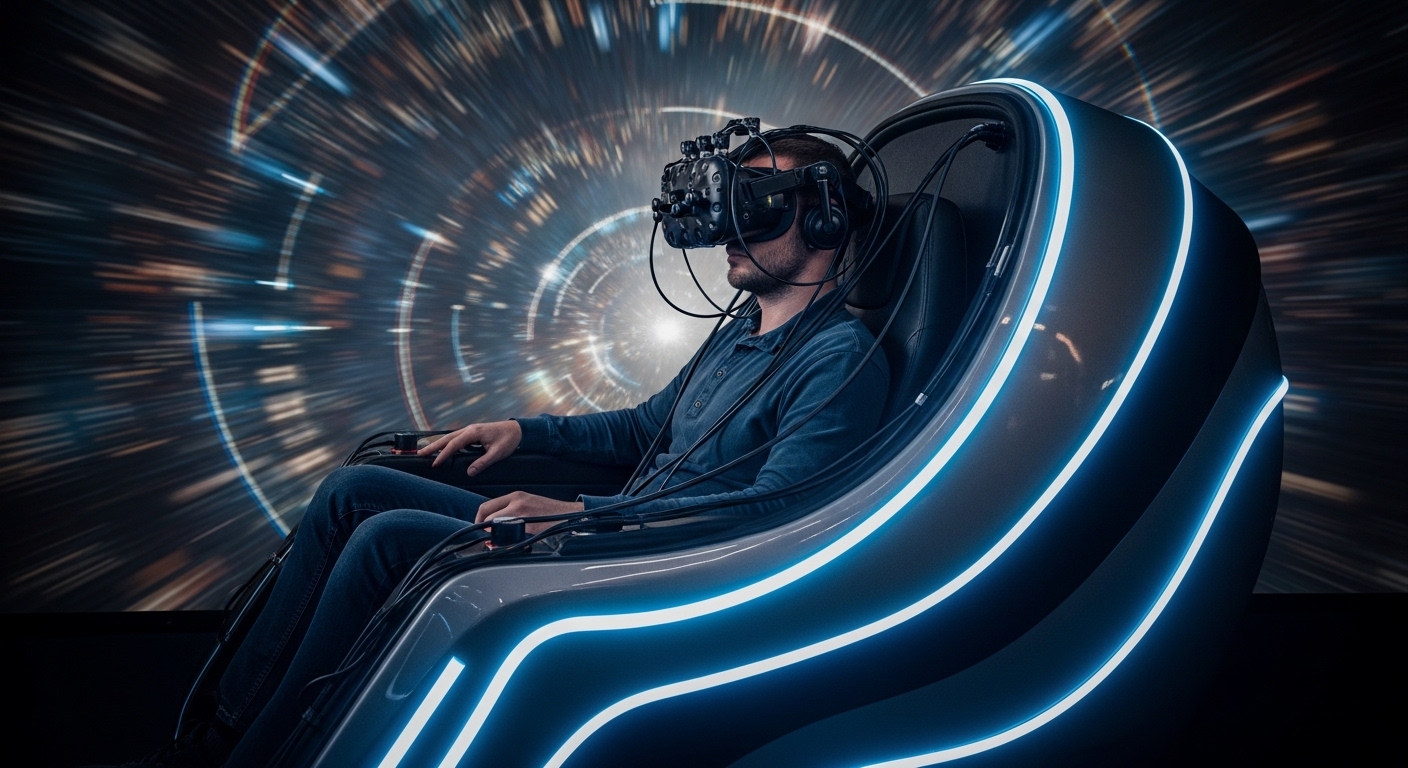
Future developments could see integrating augmented reality (AR) or virtual reality (VR), creating fully immersive auditory landscapes. Imagine walking through a city where the soundtrack adjusts seamlessly to your route, the time of day, and even your social interactions—a world where music is alive, responsive, and intimately yours.
Conclusion
Tonic muves is redefining the relationship between music and the listener. It is more than an algorithm—it is a companion, a motivator, and a reflection of emotional landscapes. By merging technology, art, and human insight, promises a future where music is not just heard, but felt in a deeply personal way.
The era of passive listening is ending. Welcome to a world where music moves with you, grows with you, and evolves with you—where every note is an extension of your own story.