









There is a moment many of us have experienced while watching a film when the screen seems to read our minds. A character hesitates, and we feel that hesitation in our chest. A quiet look replaces a dramatic speech, and somehow it says more. This is not an accident of good acting alone. It is the result of something deeper at work, something that goes beyond plot twists and visual effects. That something is movies EQ, the emotional intelligence embedded in storytelling that allows films to connect with audiences on a human level. In an era of endless content and shrinking attention spans, movies EQ has quietly become one of the most powerful forces shaping modern cinema.
Understanding Movies EQ Beyond Entertainment
At its core, movies EQ refers to the ability of a film to recognize, express, and engage human emotions in a way that feels authentic. Just as emotional intelligence in people involves awareness, empathy, and emotional regulation, movies EQ reflects how well a story understands its characters and, by extension, its audience. Films with high movies EQ do not simply tell viewers what to feel. They create situations that invite emotional participation, allowing viewers to arrive at feelings on their own terms. This approach transforms movies from passive entertainment into shared emotional experiences.
Why Emotional Intelligence Matters in Modern Cinema
The film industry today operates in a crowded landscape where viewers can abandon a movie within minutes. Spectacle alone is no longer enough. Audiences crave meaning, relatability, and emotional truth. Movies EQ matters because it builds trust between the story and the viewer. When a film demonstrates emotional awareness, audiences are more willing to invest their time and attention. This is why smaller, character-driven films often leave a stronger impression than big-budget productions that rely only on scale. Emotional intelligence gives stories longevity, making them memorable long after the credits roll.
Movies EQ and the Psychology of Audience Connection
Human beings are wired for stories, but more importantly, we are wired for emotions. Neuroscience shows that emotionally charged experiences are easier to remember and more likely to influence behavior. Movies EQ leverages this reality by aligning narrative structure with emotional arcs. When a character grows, fails, or redeems themselves, viewers mirror those emotions internally. This emotional synchronization is what makes a film feel personal even when the story is fictional. Movies EQ acts as a bridge between psychology and storytelling, turning cinema into a form of emotional communication.
How Storytelling Techniques Shape Movies EQ
High movies EQ does not come from dialogue alone. It emerges from a combination of pacing, silence, visual language, and character development. A lingering shot can convey grief more effectively than words. A delayed reaction can reveal internal conflict without explanation. Skilled filmmakers understand that emotions often live in what is left unsaid. By trusting the audience to interpret these cues, respects viewer intelligence and deepens engagement. This subtlety separates emotionally intelligent films from those that rely on obvious emotional manipulation.
The Role of Characters in Building Emotional Intelligence
Characters are the emotional anchors of any film. Movies EQ depends heavily on how realistically characters are written and portrayed. Flawed characters with believable motivations allow audiences to see parts of themselves on screen. When characters respond to situations in emotionally consistent ways, viewers feel grounded in the story. This consistency does not mean predictability. Instead, it reflects an understanding of how real people behave under pressure. Movies thrives when characters feel human rather than symbolic.
Movies EQ in Different Genres
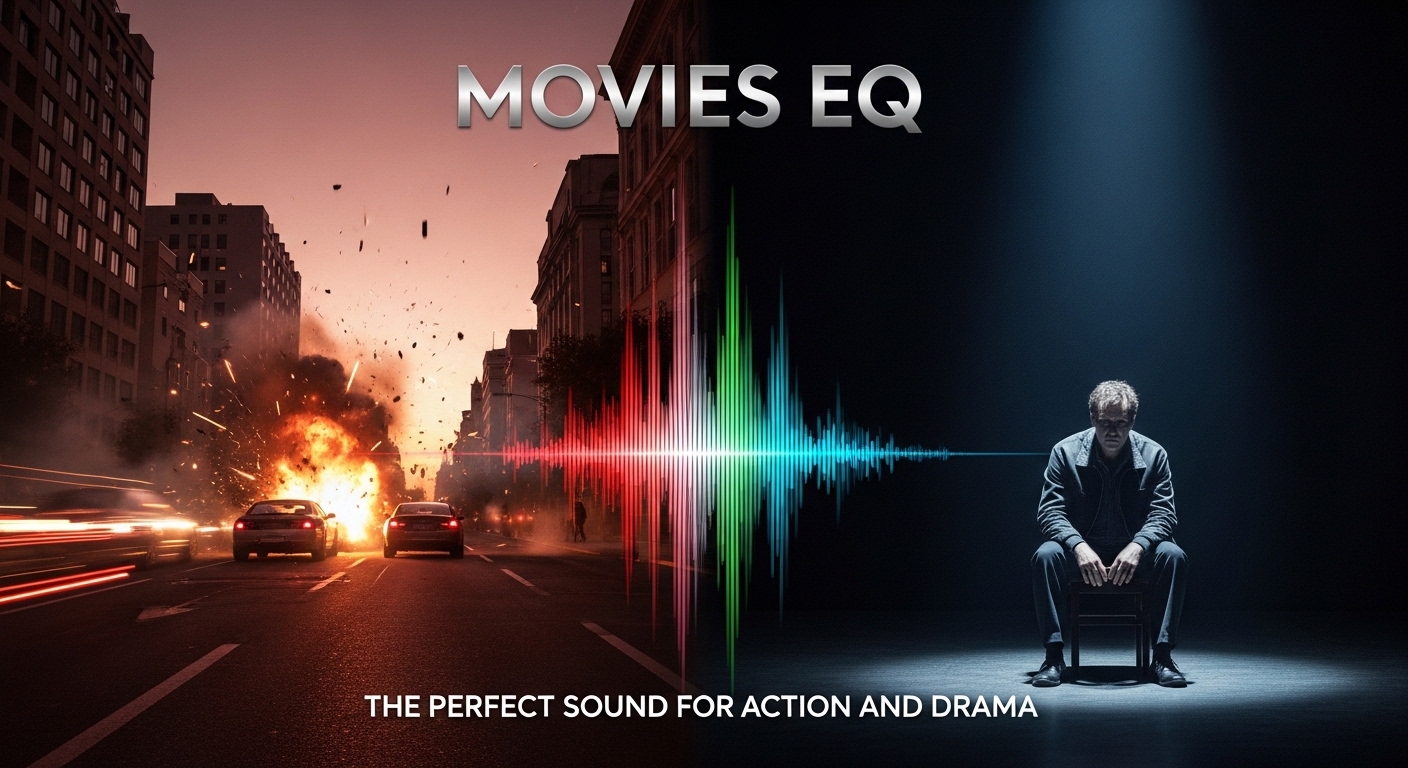
Emotional intelligence is not limited to dramas or romantic films. Action, science fiction, comedy, and even horror benefit from strong movies EQ. In action films, emotional stakes give meaning to physical conflict. In science fiction, emotional grounding makes abstract ideas relatable. Comedy relies heavily on emotional timing and social awareness. Horror becomes more unsettling when fear is tied to emotional vulnerability. Across genres, acts as a unifying element that enhances impact regardless of tone or setting.
The Business Value of Movies EQ
Beyond artistry, movies EQ has tangible value for the film industry. Emotionally intelligent films often enjoy stronger word-of-mouth promotion, longer cultural relevance, and higher audience loyalty. Viewers recommend films that made them feel understood. From a business perspective, investing in can be more sustainable than chasing trends. Films that resonate emotionally tend to perform better across platforms, from theaters to streaming services, because they encourage repeat viewing and discussion.
Movies EQ in the Age of Streaming Platforms
Streaming has changed how films are consumed, but it has also amplified the importance of emotional intelligence. Without the shared atmosphere of a theater, films must work harder to hold attention. Movies EQ helps bridge this gap by creating intimate experiences that feel personal even on small screens. Algorithms may suggest what to watch next, but it is emotional resonance that keeps viewers engaged. In this environment, becomes a competitive advantage, distinguishing meaningful stories from disposable content.
A Practical View: Elements That Strengthen Movies EQ
The table below highlights key elements that contribute to strong and their impact on the audience.
| Element | How It Strengthens Movies EQ | Audience Impact |
|---|---|---|
| Authentic character arcs | Reflect real emotional growth | Builds trust and empathy |
| Subtle dialogue | Allows emotions to emerge naturally | Encourages deeper engagement |
| Visual storytelling | Communicates feelings without words | Enhances emotional immersion |
| Thoughtful pacing | Gives emotions time to settle | Prevents emotional fatigue |
| Consistent tone | Aligns story and emotion | Creates a cohesive experience |
These elements work together to create films that feel emotionally aware rather than emotionally demanding.
Cultural Shifts and the Rise of Emotional Storytelling
Global audiences today are more open to vulnerability and emotional honesty than in previous decades. This cultural shift has influenced the rise of as a defining quality of successful films. Stories that address mental health, identity, loss, and connection resonate across borders because emotions are universal. Movies EQ allows filmmakers to explore complex topics without alienating viewers. By focusing on shared emotional experiences, films can cross cultural and linguistic barriers more effectively.
Challenges in Achieving High Movies EQ
Despite its importance, achieving strong movies EQ is not easy. It requires restraint, empathy, and a willingness to prioritize emotional truth over formula. Overexplaining emotions can feel patronizing, while underdeveloping them can leave audiences disconnected. Filmmakers must balance clarity with subtlety. The challenge lies in trusting both the story and the audience. When done poorly, attempts at emotional intelligence can feel forced. When done well, they feel invisible.
The Future of Movies EQ
As technology continues to evolve, the human element in storytelling becomes even more valuable. Visual effects, artificial intelligence, and virtual production can enhance cinema, but they cannot replace emotional understanding. The future of movies EQ lies in combining innovation with empathy. Films that succeed will be those that use technology to support emotional storytelling rather than overshadow it. In this sense, is not a trend but a foundation for sustainable creativity.
Conclusion
Movies have always been about more than images on a screen. They are mirrors, conversations, and emotional journeys shared between storytellers and audiences. Movies EQ captures this essence by focusing on how films make us feel and why those feelings matter. In a world saturated with content, emotional intelligence is what turns a movie into an experience and an experience into a memory. As cinema continues to evolve, will remain a quiet but powerful force, reminding us that the most advanced storytelling tool is still human emotion.