









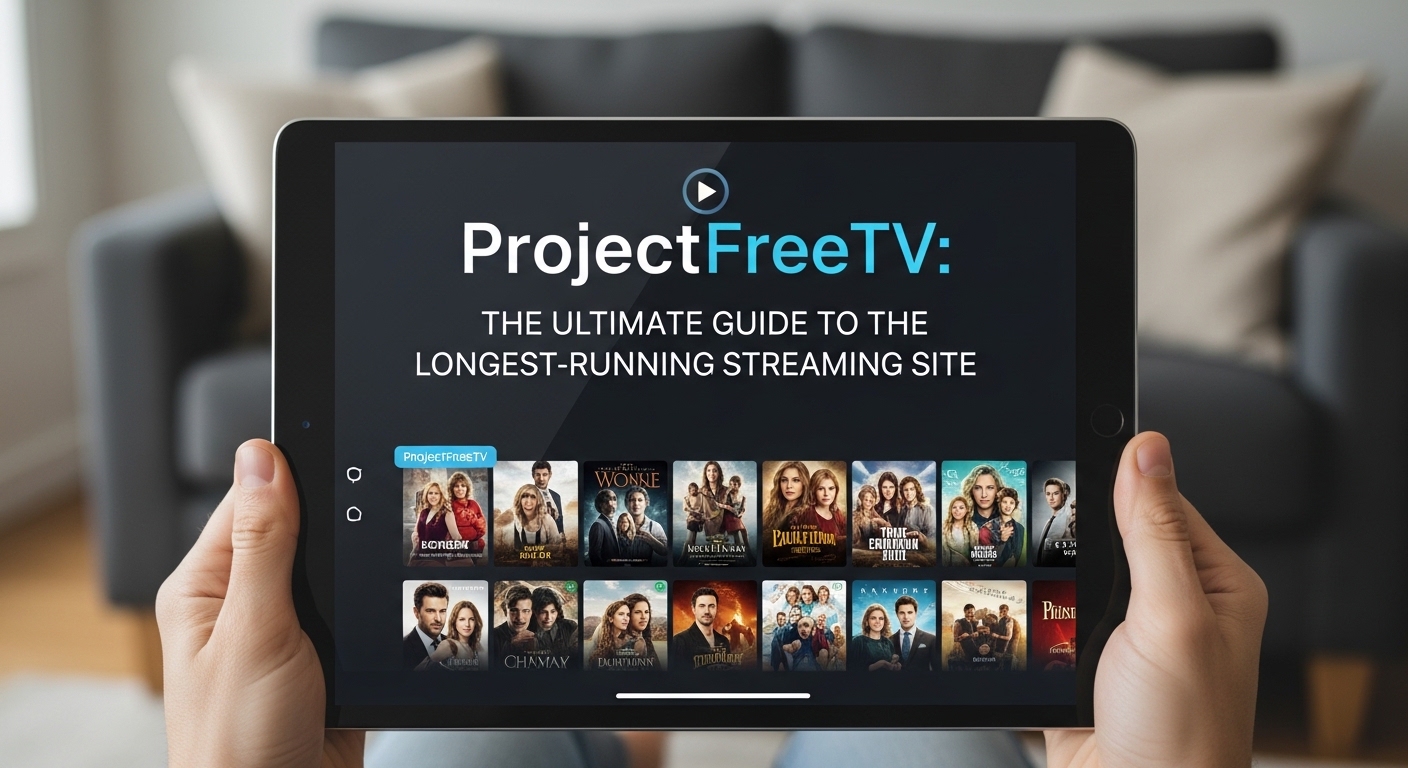
In the age of digital entertainment, the way we consume media has undergone a seismic shift. Imagine settling in on a Friday night, popcorn in hand, only to find that your favorite show isn’t available on your streaming service. This is where platforms like ProjectFreeTV have historically captured attention, offering a vast array of TV shows and movies for free, right at the click of a button. For many, it felt like stumbling upon a hidden treasure trove, bridging the gap between the content they wanted and the subscription services they could afford.
Understanding ProjectFreeTV and Its Appeal
ProjectFreeTV gained popularity primarily for its simplicity and accessibility. Without the need for subscription fees, it provided an alternative to mainstream streaming services. Users could explore everything from classic sitcoms to the latest dramas, all in one place. Its appeal wasn’t just about cost—it was about the freedom to choose what to watch and when.
However, the platform has always existed in a gray area legally. Unlike licensed streaming services, ProjectFreeTV aggregated links to content rather than hosting it directly. This meant that while it offered a convenient browsing experience, the responsibility for the legality of the content often fell into murky waters.
The Evolution of Streaming and Viewer Habits
The rise of platforms like Netflix, Hulu, and Disney+ reshaped audience expectations. People became accustomed to high-quality, ad-free experiences with original content and exclusive releases. Yet, ProjectFreeTV served a unique niche: viewers who preferred flexibility over exclusivity, or who were experimenting with new shows before committing to a subscription.
Streaming habits today are highly dynamic. The average viewer subscribes to multiple platforms, balancing cost with content variety. In this environment, free aggregators act as a discovery tool, helping users decide which paid services are worth the investment.
Risks and Considerations
While the appeal of free streaming is undeniable, users should exercise caution. Platforms like ProjectFreeTV can expose users to cybersecurity risks such as malware or phishing attacks. Ads and pop-ups, often unregulated, may compromise device security. Legal concerns are another factor—watching content without proper licensing can have consequences, depending on regional copyright laws.
To safely navigate free streaming, experts recommend using reputable VPNs, antivirus software, and ad-blocking tools. These measures don’t make the activity fully legal but mitigate some of the digital risks involved.
Comparing Free Streaming to Paid Services
The following table illustrates a basic comparison between free streaming platforms like ProjectFreeTV and popular subscription services:
| Feature | ProjectFreeTV | Netflix / Hulu / Disney+ |
|---|---|---|
| Cost | Free | Paid (monthly/yearly) |
| Content Availability | Aggregated links | Licensed & Original |
| Ads/Interruptions | Frequent | Minimal / None |
| Quality & Resolution | Variable | High, consistent |
| Legal Compliance | Uncertain | Fully Licensed |
| Device Support | Browser-based | Multiple platforms |
This table highlights the trade-offs users face. Free streaming prioritizes accessibility, while paid services emphasize quality, reliability, and legal security.
The Future of Free Streaming
The digital landscape continues to evolve, and so does the role of free streaming platforms. Increasingly, they serve as gateways to paid content, helping viewers identify what resonates with them. Additionally, regulatory scrutiny has pushed many sites to shut down or pivot, but the demand for flexible, cost-effective viewing solutions remains strong.
For content creators and streaming services, understanding this ecosystem is essential. Free platforms influence audience expectations and can indirectly drive subscriptions if leveraged ethically.
Conclusion
ProjectFreeTV represents both the promise and the pitfalls of free streaming. It underscores the desire for accessible, on-demand content while highlighting the importance of security, legality, and quality. As streaming options expand, users must weigh convenience against risk, and content creators must adapt to shifting consumption patterns. Free streaming will likely continue to play a supporting role in the digital media ecosystem—a tool for discovery, experimentation, and bridging gaps between audiences and content.