









The first time I noticed a Wollmatten space, it wasn’t in a showroom or a design magazine. It was in a small coworking studio where the air felt warmer, the acoustics calmer, and the room somehow more grounded. Nothing screamed for attention. Yet the floor, covered with simple wool mats, carried the atmosphere. People lingered longer, conversations felt softer, and the space worked—quietly, efficiently, and naturally. That subtle experience captures why Wollmatten are gaining renewed relevance across homes, offices, and forward-thinking businesses.
In an era dominated by synthetic materials and disposable interiors, Wollmatten represent a thoughtful return to natural performance. They combine functionality, sustainability, and understated design in a way that resonates strongly with entrepreneurs, founders, and tech-driven professionals seeking balance between innovation and responsibility.
Understanding Wollmatten Beyond the Surface
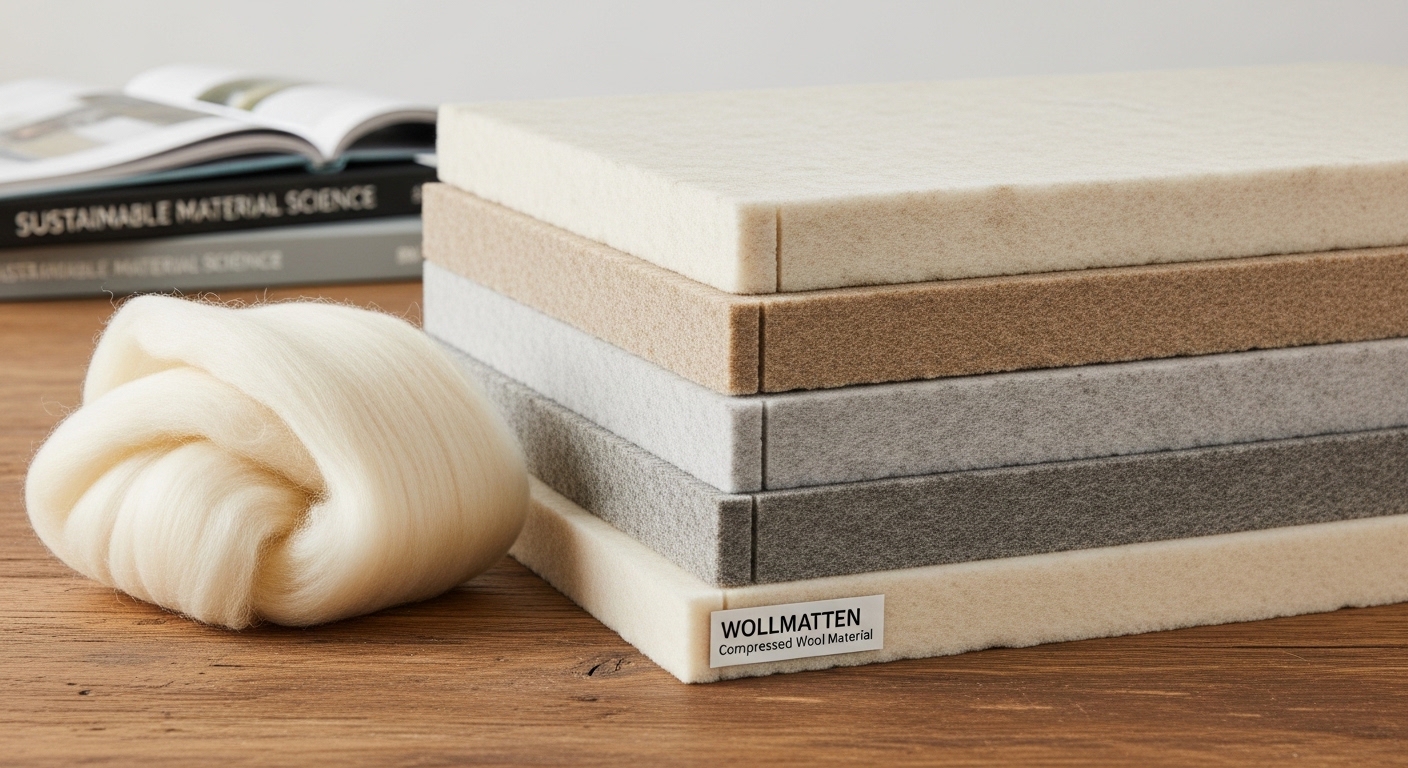
Wollmatten, or wool mats, are crafted primarily from natural sheep’s wool fibers. While they may appear simple at first glance, their structure is anything but basic. Wool fibers are naturally crimped, creating millions of tiny air pockets. These pockets provide insulation, sound absorption, and resilience that synthetic alternatives struggle to replicate.
Unlike mass-produced floor coverings, Wollmatten are designed to work with the environment rather than against it. They regulate temperature, manage humidity, and maintain comfort across seasons. This makes them especially appealing in workspaces and modern homes where comfort and efficiency matter equally.
What truly sets Wollmatten apart is their longevity. Wool fibers bend rather than break, allowing mats to retain shape and performance for years. In practical terms, this means fewer replacements, lower lifecycle costs, and a reduced environmental footprint.
Why Wollmatten Matter in Modern Work and Living Spaces
Today’s spaces are multifunctional. Homes double as offices, offices double as collaboration hubs, and retail spaces must feel welcoming rather than transactional. Wollmatten fit naturally into this shift.
In professional environments, they reduce ambient noise, making video calls clearer and concentration easier. In residential settings, they create warmth without visual clutter. For founders designing offices that reflect brand values, Wollmatten send a subtle but powerful message: sustainability is not an afterthought—it’s built into the foundation.
There is also a psychological dimension. Natural materials influence how people feel. Studies consistently show that environments incorporating organic textures promote calm, focus, and well-being. Wollmatten contribute to this effect without dominating the visual language of a space.
The Sustainability Case for Wollmatten
Sustainability is no longer a niche concern; it is a strategic consideration. Wollmatten align closely with circular economy principles because wool is renewable, biodegradable, and durable.
Sheep regrow fleece annually, making wool a naturally renewable resource. At the end of a Wollmatten product’s life, it decomposes without releasing harmful microplastics—an issue increasingly associated with synthetic flooring. For businesses working toward environmental certifications or ESG goals, this matters.
Additionally, wool’s natural resistance to dirt and odors reduces the need for chemical cleaners. Over time, this lowers maintenance costs and minimizes indoor air pollution, benefiting both people and the planet.
Design Versatility Without Compromise
One misconception about Wollmatten is that they limit design choices. In reality, they offer remarkable flexibility. Wool can be woven, felted, or layered into textures ranging from minimalist to richly tactile. Colors remain soft and timeless, aging gracefully rather than fading unevenly.
Designers appreciate Wollmatten because they complement rather than compete. In tech-forward offices with glass and metal, wool adds warmth. In creative studios, it provides a neutral canvas that supports expression. For entrepreneurs building customer-facing spaces, Wollmatten subtly elevate perception without appearing extravagant.
This versatility allows Wollmatten to move seamlessly across industries—from hospitality and wellness to startups and private residences—without losing relevance.
Performance Comparison: Wollmatten vs. Synthetic Mats
To understand the practical value of Wollmatten, it helps to compare them with common synthetic alternatives:
| Feature | Wollmatten | Synthetic Mats |
|---|---|---|
| Material Source | Renewable natural wool | Petroleum-based fibers |
| Durability | High, fibers resist breaking | Moderate, fibers degrade faster |
| Environmental Impact | Biodegradable, low waste | Non-biodegradable, microplastics |
| Comfort & Insulation | Naturally insulating | Requires added padding |
| Maintenance | Low chemical requirement | Frequent cleaning needed |
This comparison highlights why Wollmatten are often viewed as a long-term investment rather than a short-term purchase.
Wollmatten in Entrepreneurial and Tech Spaces
For founders and tech leaders, every design choice reflects company values. Wollmatten fit naturally into organizations prioritizing human-centered design and sustainability.
Open-plan offices benefit from wool’s sound-dampening qualities, improving productivity without expensive acoustic installations. Remote-first companies creating hybrid hubs use Wollmatten to make spaces feel intentional rather than temporary. Even data-driven teams appreciate the measurable benefits: improved comfort, reduced noise, and lower maintenance costs.
In customer-facing environments, Wollmatten subtly communicate trust and quality. Clients may not consciously identify the material, but they feel the difference—and perception matters in competitive markets.
Maintenance, Longevity, and Real-World Use
One of the most practical advantages of Wollmatten is how little attention they demand. Wool’s natural lanolin coating repels dirt and liquids, meaning spills often bead on the surface rather than soaking in. Regular vacuuming and occasional airing are usually sufficient.
Over time, develop a gentle patina rather than visible wear. This aging process adds character instead of detracting from appearance. For businesses and homeowners alike, this translates into fewer replacements and consistent aesthetics over years of use.
From a cost perspective, the initial investment may be higher than synthetic mats, but the long-term value often proves superior. Longevity, reduced maintenance, and environmental benefits combine into a compelling return.
The Cultural Shift Toward Materials That Matter
Wollmatten are part of a broader movement away from disposable interiors. As people become more conscious of how environments affect health, productivity, and sustainability, materials once considered traditional are being re-evaluated through a modern lens.
This shift isn’t about nostalgia; it’s about intelligence in design. Wool mats succeed because they solve multiple problems simultaneously—comfort, durability, sustainability, and aesthetics—without demanding attention.
For modern leaders, choosing is less about trend-following and more about alignment. It signals an understanding that progress doesn’t always mean synthetic or complex; sometimes, it means refined and natural.
The Future of Wollmatten
As innovation continues in material science, Wollmatten are evolving too. New weaving techniques, blended textures, and modular designs are expanding how and where they can be used. Yet their core strength remains unchanged: a simple, natural material performing exceptionally well.
In a world increasingly shaped by digital experiences, physical environments matter more than ever. Wollmatten quietly support that experience, grounding spaces in comfort and authenticity.
Conclusion
Wollmatten do not shout for attention, and that is precisely their power. They represent a thoughtful approach to space—one that values longevity over novelty and experience over excess. For entrepreneurs, tech professionals, and founders shaping the environments of tomorrow, offer a rare combination of performance and principle.
Choosing wool mats is not just a design decision; it is a statement about how we want our spaces to feel and what values we want them to reflect. In that sense, Wollmatten are less about flooring and more about the future of intentional living and working.