








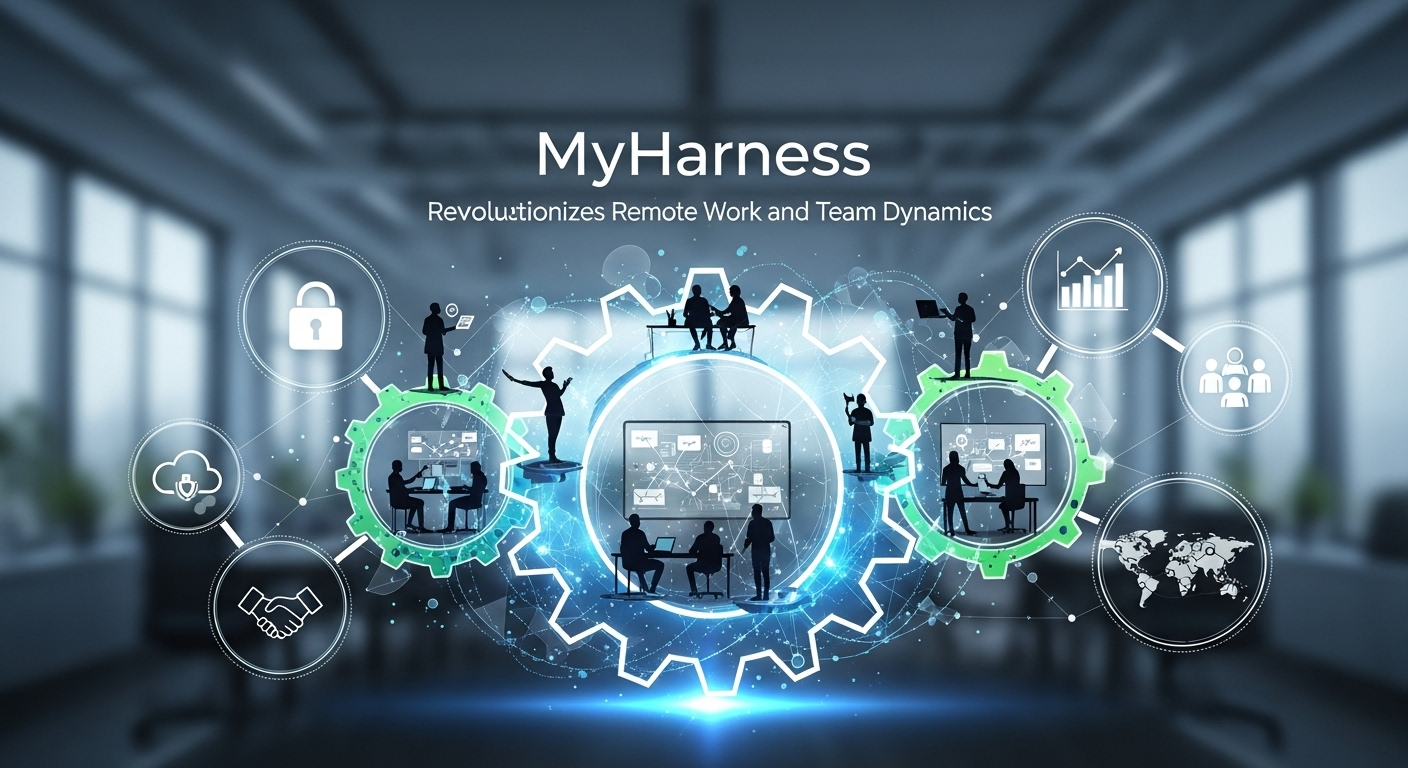
MyHarness is an emerging solution designed to streamline complex system workflows while improving efficiency, reliability, and scalability. As digital environments become more interconnected, organizations and individuals need tools that can handle automation, integration, and performance monitoring without unnecessary complexity. This is where plays a critical role.
Whether used in enterprise environments or by growing digital teams, helps manage processes in a structured, intelligent way. Its adaptability makes it suitable for multiple industries, from IT operations to cloud-based service management. By focusing on simplicity and control, enables users to focus on outcomes rather than technical obstacles.
Understanding the Core Concept of MyHarness
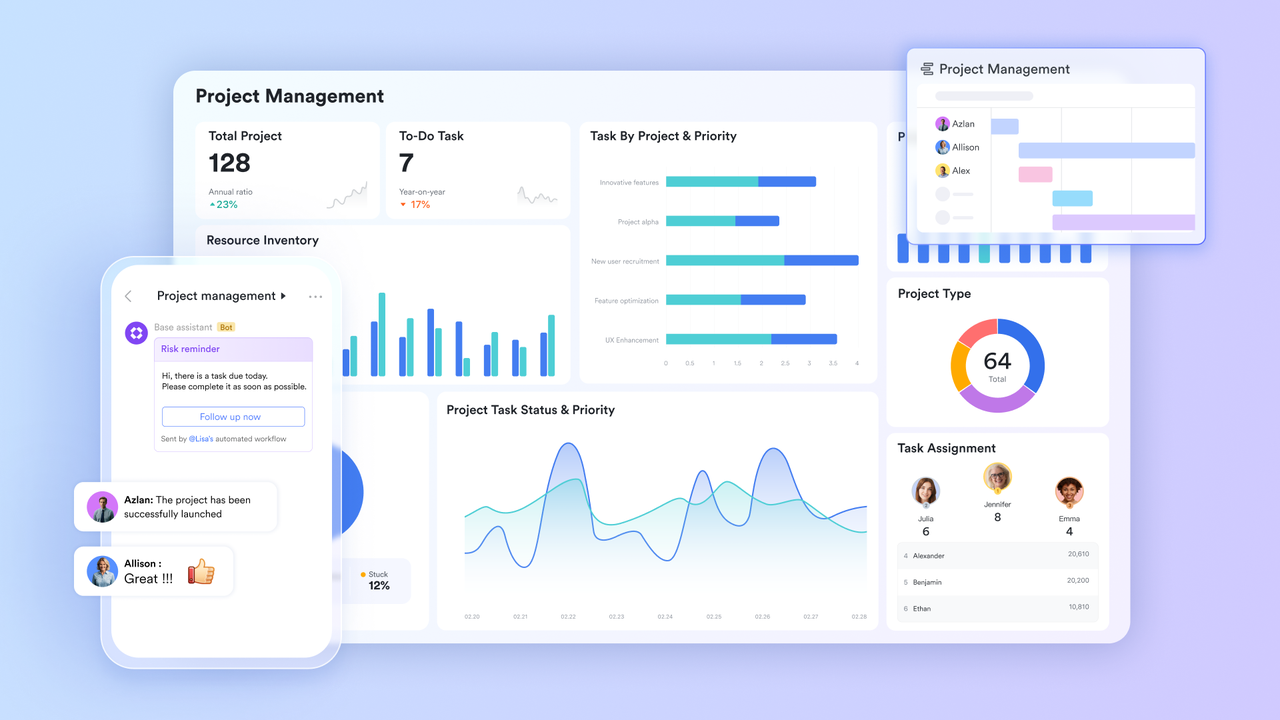
At its foundation, MyHarness is built to act as a centralized control system. It connects multiple components, manages workflows, and ensures that operations run smoothly across platforms. Instead of relying on disconnected tools, users can depend on a single interface to oversee tasks and integrations.
The strength of lies in its ability to unify systems. It reduces manual intervention by automating repetitive tasks and provides visibility into operational performance. This unified approach helps minimize errors while improving decision-making through real-time insights.
Key Features That Define MyHarness
Automation Capabilities in MyHarness
Automation is a defining feature of MyHarness. Users can create workflows that execute predefined actions automatically, reducing the need for constant oversight. These workflows can be customized to meet specific operational requirements, ensuring flexibility without sacrificing control.
By automating routine processes, allows teams to save time and allocate resources more effectively. This feature is particularly useful in environments where consistency and accuracy are essential.
Integration Support Within MyHarness
Modern systems rarely operate in isolation, and MyHarness is designed with integration in mind. It supports connections with various tools and platforms, enabling seamless data exchange and process coordination.
This integration capability makes a valuable asset for organizations looking to scale. As systems grow, the platform adapts, ensuring that new tools can be incorporated without disrupting existing workflows.
Why MyHarness Is Gaining Popularity
The growing adoption of MyHarness can be attributed to its user-centric design and practical functionality. Unlike overly complex solutions, it emphasizes clarity and usability. Users do not need advanced technical expertise to operate the platform effectively.
Another reason for its popularity is reliability. MyHrness is structured to handle high workloads while maintaining performance stability. This makes it suitable for both small teams and larger organizations seeking dependable system management.
Use Cases Where MyHarness Excels
MyHarness in IT Operations
In IT environments, MyHarness plays a crucial role in managing infrastructure and services. It helps monitor system health, automate maintenance tasks, and coordinate updates. This reduces downtime and enhances overall system reliability.
IT teams benefit from having a centralized dashboard that provides actionable insights. With MyHrness, troubleshooting becomes faster and more efficient.
MyHarness for Business Process Optimization
Beyond IT, MyHarness is also valuable for business process optimization. It enables organizations to streamline internal operations, improve workflow consistency, and reduce operational costs.
By aligning processes with automation, supports productivity while maintaining transparency across departments.
Security and Reliability in MyHarness
Security is a top priority in any system management platform, and MyHarness addresses this through controlled access and monitoring features. Users can define permissions and ensure that sensitive operations are only handled by authorized individuals.
Reliability is equally important. is designed to maintain consistent performance even under heavy workloads. This ensures uninterrupted operations and builds trust among users who depend on the platform for critical tasks.
Scalability Advantages of MyHarness
Scalability is one of the strongest advantages of MyHrness. As organizational needs evolve, the platform can grow without requiring major structural changes. This makes it a future-ready solution for businesses planning long-term expansion.
The modular nature of allows users to add new functionalities as needed. This flexibility ensures that the platform remains relevant regardless of changes in technology or operational scope.
Comparing MyHarness with Traditional Management Tools
Traditional management tools often operate in silos, leading to inefficiencies and communication gaps. MyHarness overcomes these limitations by offering a unified framework that connects systems and processes.
While older tools may require extensive manual configuration, emphasizes automation and ease of use. This modern approach reduces complexity and enhances overall performance.
The Future Potential of MyHarness
As digital transformation continues, platforms like MyHarness are expected to become even more important. Its ability to adapt to new technologies positions it well for future advancements in automation and integration. With ongoing improvements and potential feature expansions, is likely to remain a relevant and valuable tool for organizations seeking efficiency and control in their digital operations.
Conclusion
MyHarness stands out as a versatile and efficient platform designed to simplify system management, automation, and integration. Its focus on usability, scalability, and reliability makes it suitable for a wide range of applications. From IT operations to business process optimization, provides a structured solution that meets modern digital demands. As organizations continue to seek smarter ways to manage complexity, offers a practical and forward-thinking approach. Its balanced combination of control and flexibility ensures long-term value for users across industries.