










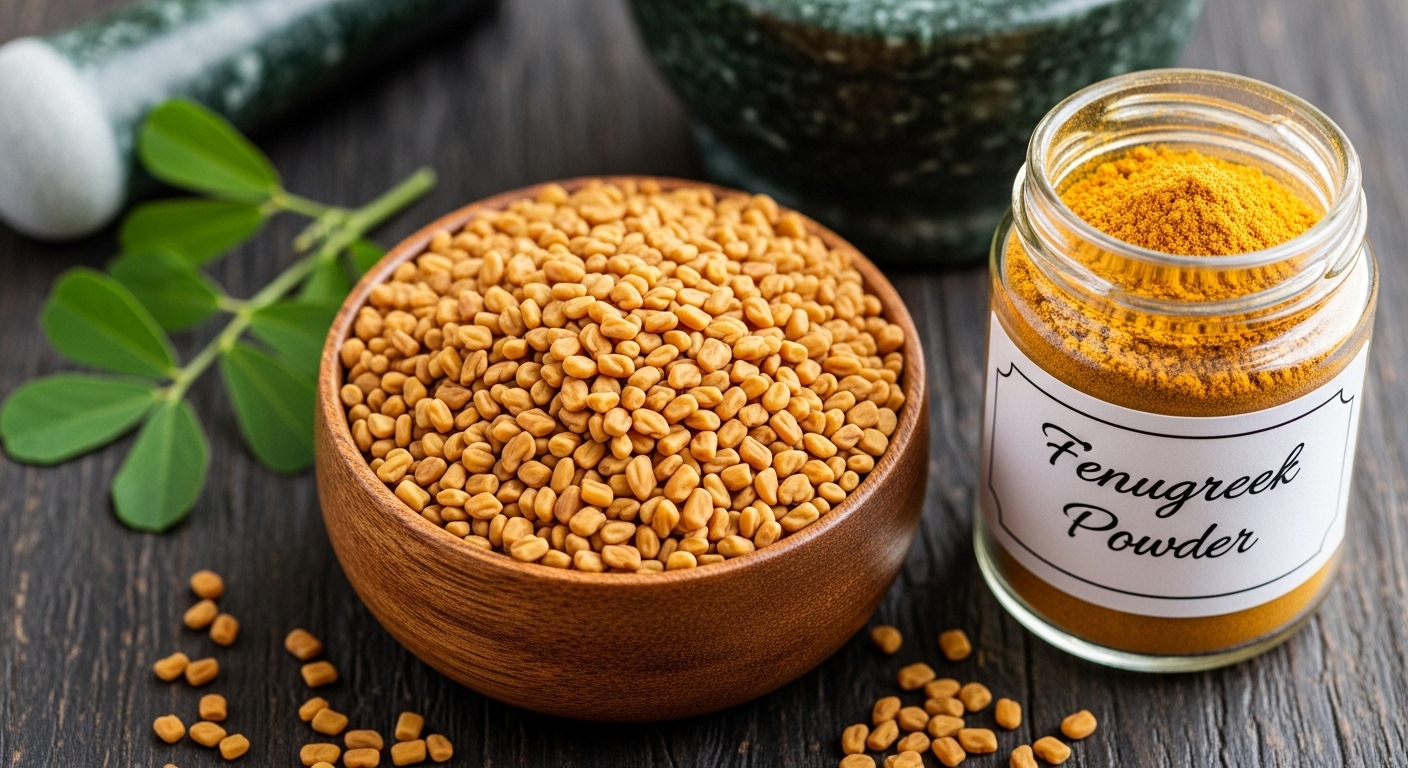
The first time I encountered foenegriek, it wasn’t in a lab or a health conference. It was in a quiet kitchen, where a small bowl of golden-brown seeds soaked overnight on a windowsill. The person preparing them wasn’t a nutritionist or a chef—they were a startup founder juggling investor calls and twelve-hour workdays. “This keeps me balanced,” they said casually, as if centuries of traditional wisdom had simply found a seat at a modern desk.
That moment captures why foenegriek is suddenly resonating beyond wellness circles. In an age where entrepreneurs, founders, and tech leaders are obsessed with performance, sustainability, and longevity, this ancient ingredient feels unexpectedly relevant. Not as a trend, but as a signal: sometimes progress comes from looking backward.
Understanding Foenegriek Beyond the Buzz
Foenegriek, known globally as fenugreek, is a plant whose seeds and leaves have been used for thousands of years across South Asia, the Middle East, and the Mediterranean. Traditionally, it has lived at the intersection of food and function—valued not just for flavor, but for its perceived ability to support the body.
What makes foenegriek compelling today is not folklore alone. It’s the convergence of traditional knowledge with modern scientific curiosity. Researchers, nutritionists, and product developers are revisiting it with fresh eyes, asking not Does it work? but How does it fit into contemporary lifestyles?
For entrepreneurs and tech-minded readers, this reframing matters. Foenegriek isn’t being rediscovered as a miracle cure, but as a system-friendly ingredient—adaptable, multifunctional, and grounded in long-term thinking.
Why Modern Professionals Are Paying Attention
High-performing professionals operate in environments defined by cognitive load, stress, and constant decision-making. As a result, there is growing interest in dietary elements that support balance rather than short-term stimulation.
Foenegriek aligns with this shift. It is often discussed in relation to metabolic support, digestive comfort, and overall nutritional balance. These are not flashy benefits, but they are foundational—much like the infrastructure of a successful company.
In startup culture, we often talk about “sustainable growth.” The same concept applies to personal health. Instead of spikes and crashes, people are looking for steady systems. Foenegriek’s appeal lies in its reputation for consistency rather than intensity.
From Ancient Trade Routes to Modern Supply Chains
Historically, foenegriek traveled along trade routes as both a spice and a medicinal plant. Merchants valued it because it was versatile, storable, and culturally adaptable. That same versatility is now attracting modern supply chain strategists.
Today, foenegriek appears in functional foods, herbal supplements, and even personal care formulations. Its seeds can be processed into powders, extracts, or oils, making it easy to integrate into diverse product ecosystems.
This adaptability is a lesson in itself. Just as successful startups design products that can evolve across markets, foenegriek has survived by being useful in many contexts without losing its identity.
Nutritional Composition at a Glance
To understand why foenegriek continues to attract attention, it helps to look at what it contains. The table below provides a simplified overview of its commonly discussed components and their general relevance.
| Component Category | Found in Foenegriek | General Relevance |
|---|---|---|
| Dietary Fiber | High | Supports digestive balance and satiety |
| Plant Proteins | Moderate | Contributes to nutritional completeness |
| Natural Compounds | Present | Studied for metabolic interactions |
| Micronutrients | Varied | Includes minerals used in daily functions |
This composition explains why foenegriek is rarely positioned as a single-purpose ingredient. Instead, it supports a broader nutritional framework—an idea that resonates strongly with systems thinkers and product architects.
Foenegriek and the Philosophy of Slow Optimization
In tech, there is a growing backlash against burnout culture. Founders are questioning the cost of relentless optimization at the expense of well-being. Foenegriek fits naturally into this philosophical shift.
Rather than promising immediate transformation, it represents incremental improvement. Its traditional use emphasizes routine, patience, and integration into daily life. That mirrors how resilient companies are built—not through hacks, but through habits.
For leaders managing teams and long-term visions, this mindset is increasingly attractive. Health, like business, benefits from compounding effects.
The Role of Cultural Intelligence in Wellness Trends
One reason foenegriek feels different from many wellness fads is its cultural depth. It is not a newly invented superfood; it is a shared heritage ingredient across multiple civilizations.
For global founders and entrepreneurs working across borders, this matters. Products and ideas rooted in cultural authenticity tend to travel better than those built purely on hype. Foenegriek’s long-standing presence gives it credibility that cannot be manufactured.
This also explains why brands are becoming more cautious in how they present it. The conversation is shifting from exotic discovery to respectful integration,” reflecting a more mature global market.
Practical Integration Without Overstatement
A key reason foenegriek maintains trust is that it doesn’t require dramatic lifestyle changes. Traditionally, it has been consumed in small quantities, often soaked, cooked, or blended into meals.
This low-friction integration aligns with how busy professionals adopt new habits. Just as productivity tools succeed when they fit existing workflows, dietary elements gain traction when they don’t demand radical change. Importantly, credible voices emphasize moderation and context. Foenegriek is part of a broader nutritional picture, not a standalone solution. That balanced narrative is why it continues to earn attention rather than skepticism.
Innovation Opportunities for Founders and Builders
From a business perspective, foenegriek offers an interesting case study in ingredient-led innovation. It sits at the crossroads of food tech, wellness, and sustainable agriculture.
Startups exploring plant-based nutrition, functional beverages, or culturally informed products are increasingly evaluating ingredients like foenegriek. Its scalability, long shelf life, and diverse applications make it attractive from both a product and logistics standpoint. More importantly, it invites a different kind of storytelling—one based on continuity, trust, and long-term value. In crowded markets, that narrative can be a competitive advantage.
A Broader Lesson Hidden in a Small Seed
Foenegriek’s modern resurgence isn’t really about the seed itself. It’s about what it represents. In a world obsessed with disruption, it reminds us of the power of endurance. In an economy chasing speed, it speaks to rhythm.
For entrepreneurs, tech readers, and founders, this lesson is timely. Sustainable systems—whether in health or business—are built by respecting fundamentals while adapting intelligently. Foenegriek doesn’t promise to change your life overnight. Instead, it quietly supports the idea that progress, when rooted in wisdom, tends to last.
Conclusion
As innovation cycles accelerate and burnout becomes a shared concern, the renewed interest in foenegriek feels less like nostalgia and more like strategy. It reflects a broader movement toward thoughtful optimization—where ancient knowledge and modern insight collaborate rather than compete.
For leaders shaping the future, this small seed offers a powerful reminder: the most resilient ideas are often the ones that have already stood the test of time.