










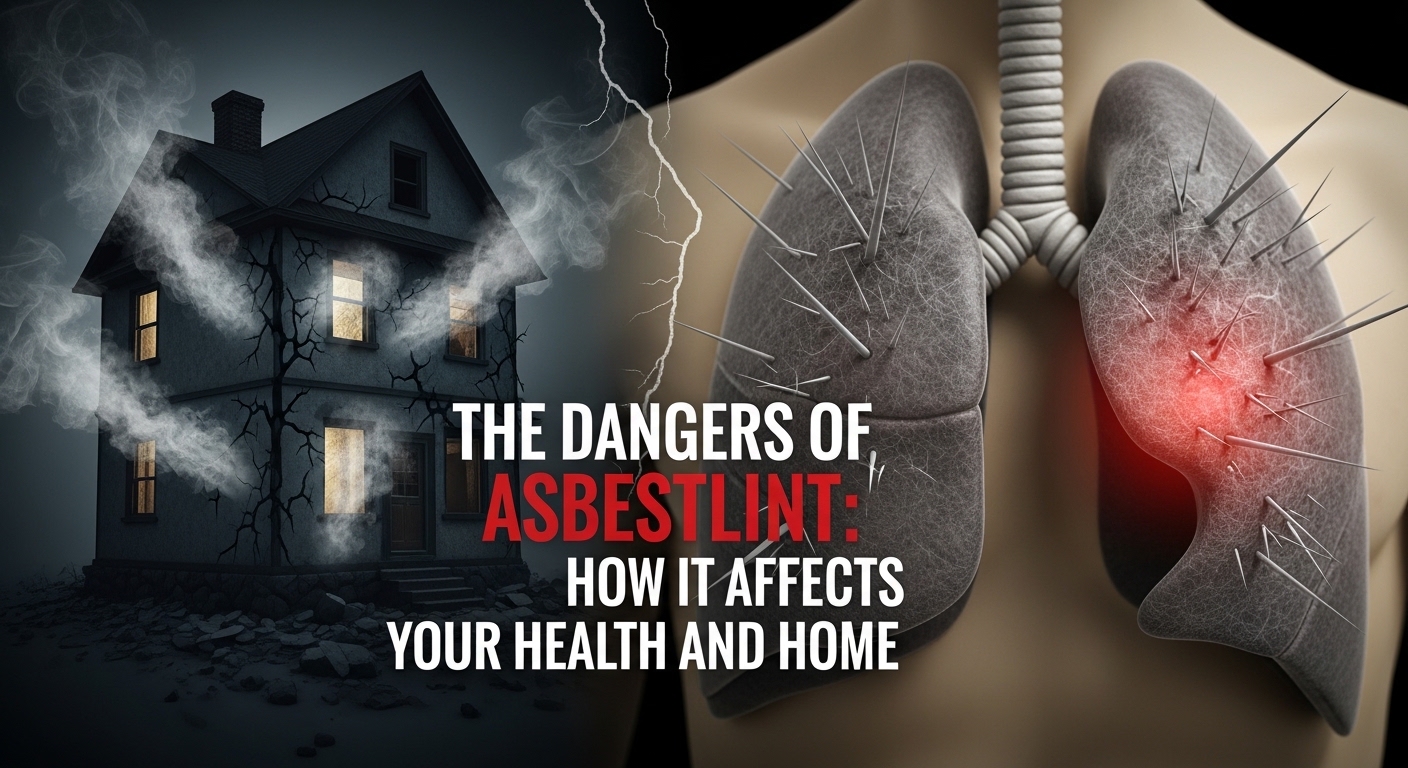
Asbestos, a word that often sends shivers down the spine, has been a silent presence in many homes for decades. This naturally occurring mineral was once hailed as a miracle material because of its heat resistance and insulating properties. However, lurking beneath its seemingly benign exterior are serious health risks that can affect you and your loved ones. Asbestlint, or asbestos-containing materials found in various construction elements, poses significant dangers if disturbed or improperly managed. Understanding what asbestlint is and how it may be affecting your home is crucial for safeguarding both your property and your well-being. Let’s delve deeper into this hidden threat to reveal why being informed about asbestlint matters now more than ever.
What is Asbestos and How is it Used?
Asbestos is a naturally occurring fibrous mineral known for its durability and resistance to heat. For decades, it was widely used in construction materials due to these impressive properties. From insulation and roofing shingles to floor tiles and cement products, asbestos made its way into many building applications.
Its ability to withstand fire made it particularly appealing for industrial settings. This includes shipbuilding, automotive manufacturing, and even electrical insulation. It seemed like an ideal solution for enhancing safety in various environments.
However, as research progressed, the dark side of asbestos became evident. While it served practical purposes over the years, its fibers can be extremely harmful when inhaled or ingested. As awareness around health risks grew, regulations tightened on its use in many countries but remnants of this once-popular material still lurk in older buildings today.
What is Asbestlint?
Asbestlint, or asbestos tape, is a material often used in construction and insulation. It contains chrysotile fibers, which are known for their strength and resistance to heat. This makes asbestlint an appealing choice for sealing joints in pipes and ducts. Despite its effectiveness, the dangers of asbestlint cannot be overlooked. Many homeowners may not even realize that this product has been installed in their properties. Over time, wear and tear can cause it to deteriorate.
Once damaged, tiny asbestos fibers can become airborne. Inhaling these fibers poses serious health risks. Awareness is crucial when dealing with materials containing asbestos. Identification of asbestlint should be done carefully. If you suspect it’s present in your home, treating the situation with caution is essential before taking any further steps.
The Health Risks of Asbestos Exposure
Asbestos exposure poses significant health risks that can linger for years. When fibers are inhaled, they can become trapped in the lungs and lead to serious diseases. One of the most notorious conditions linked to asbestos is mesothelioma, a rare but aggressive cancer affecting the lining of the lungs and abdomen. This disease often remains dormant for decades before symptoms arise.
Additionally, prolonged exposure may result in asbestosis, a chronic lung condition characterized by scarring of lung tissue. Symptoms include shortness of breath and persistent coughing. Lung cancer is another critical risk associated with asbestos exposure. The combination of smoking and asbestos increases this risk exponentially.
Individuals exposed to even small amounts over time should remain vigilant about their health. Regular check-ups can help catch any potential issues early on, making timely intervention possible.
Signs and Symptoms of Asbestos-Related Illnesses
Asbestos-related illnesses often develop silently over years. The signs can be subtle at first, making early detection challenging.
Common symptoms include persistent coughing and chest pain. People may experience shortness of breath, even during light activities. These respiratory issues can worsen with time.
Another alarming sign is unexplained weight loss or fatigue that doesn’t seem to improve with rest. This could indicate a more serious underlying condition.
Some individuals might notice swelling in the face or neck, which could signal pleural effusion—a buildup of fluid around the lungs caused by asbestos exposure.
In later stages, difficulty swallowing and hoarseness may occur as the disease progresses. It’s essential to pay attention to these signals, especially if there’s a history of exposure to asbestos in your environment.
How to Identify Asbestos in Your Home
Identifying asbestos in your home requires careful observation. Focus on materials that were popular before the 1980s, as these are more likely to contain asbestos.
Check areas such as ceilings, walls, and floors for textured coatings or tiles. Look closely at insulation around pipes and ducts, which often contained this hazardous material.
If you find suspicious materials that are frayed or damaged, avoid disturbing them. Disturbing these items can release harmful fibers into the air.
When in doubt, consider hiring a professional inspector who specializes in asbestos identification. They can take samples safely and provide accurate analysis of any potential risks.
Keep records of renovations; knowing what was used during construction helps assess possible exposure points. Always prioritize safety by handling suspected materials with care or seeking expert advice immediately.
Steps to Take If You Suspect Asbestos in Your Home
If you suspect asbestos in your home, don’t panic. The first step is to limit access to the area where you think it may be present. This helps reduce the risk of exposure.
Next, avoid disturbing any materials that might contain asbestlint. Disturbance can release harmful fibers into the air. Consider hiring a professional for testing and assessment. They have the tools and expertise to identify asbestos accurately and safely.
While waiting for results, keep family members away from suspected areas. It’s essential to minimize potential risk during this time. Once you receive confirmation, discuss options with professionals who specialize in asbestos management. They can guide you through safe removal or encapsulation processes tailored to your situation.
Alternatives to Removing Asbestos
When faced with the presence of asbestlint, removal isn’t always the only option. In some cases, encapsulation can be an effective solution. This involves sealing off asbestos-containing materials to prevent fibers from becoming airborne.
Another alternative is enclosure. By constructing a barrier around the asbestlint, you can effectively isolate it. This method keeps potential hazards at bay while minimizing disturbance to your home’s structure.
Regular monitoring is also essential if you’re not removing asbestos right away. Keeping a close eye on its condition ensures that no deterioration occurs over time.
Consulting professionals for abatement strategies tailored to your specific situation might provide additional insights. They can guide you through safe practices without resorting to complete removal immediately.
These alternatives allow homeowners peace of mind while maintaining safety and comfort in their living spaces without immediate drastic measures.
Why It’s Important to Address Asbestos in Your Home
Addressing asbestos in your home is crucial for the safety of everyone who lives there. Asbestos-containing materials can deteriorate over time, releasing harmful fibers into the air.
These fibers pose serious health risks when inhaled. Even small exposures can lead to long-term respiratory issues or more severe diseases like mesothelioma.
Taking action not only protects current residents but also future occupants. Selling a home with undetected asbestos could result in legal liabilities and financial penalties down the line.
Additionally, identifying and managing asbestlint demonstrates responsibility as a homeowner. It shows that you care about maintaining a healthy living environment.
Addressing this issue can enhance your property’s value. Buyers are increasingly informed about environmental hazards and prefer homes that have been tested and cleared of such dangers.
Conclusion
Asbestlint, the dangerous byproduct of asbestos, poses significant risks to your health and home. Understanding what it is and how it affects you is essential for keeping yourself and your loved ones safe.
Recognizing the presence of asbestlint in your environment allows you to take appropriate action. If you suspect its existence in your home, it’s crucial not to panic but rather to follow proper steps. Hiring a professional for testing can ensure that any potential hazards are addressed correctly.
There are alternatives available if removal isn’t feasible or desired. Encapsulation or sealing might be options worth exploring with a qualified expert. Addressing asbestlint doesn’t just protect individuals; it safeguards entire families and communities from potentially severe health consequences.
Awareness is key when it comes to dealing with asbestos-related issues like asbestlint. Being informed about the risks and taking proactive measures can lead to healthier living conditions, ultimately leading towards peace of mind regarding this hidden threat lurking within homes across many households today.