









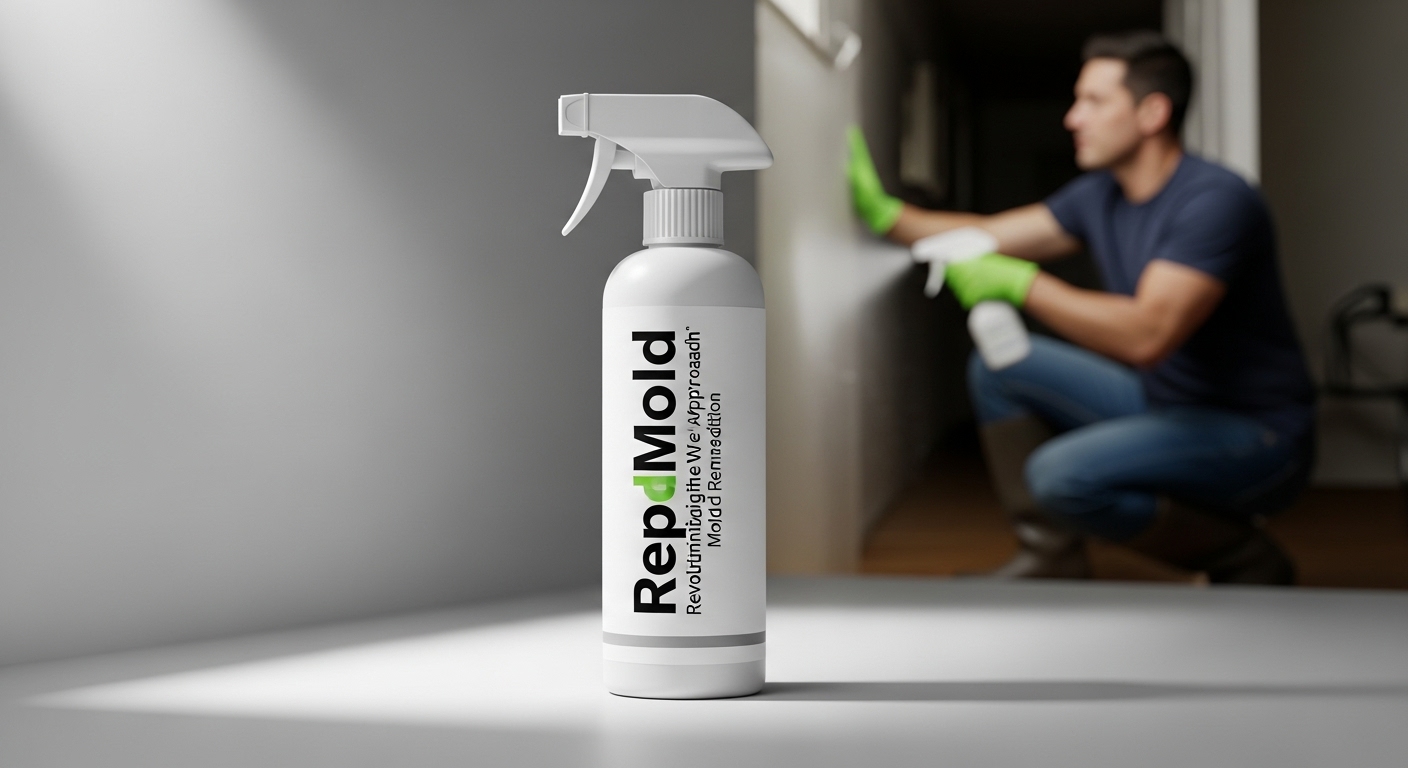
Mold remediation has long been treated as a reactive service rather than a strategic, science-driven discipline. Property owners typically respond only after visible damage appears or health symptoms worsen. RepMold enters this landscape with a fundamentally different philosophy, one that reframes mold remediation as a preventive, data-informed, and long-term solution rather than a temporary fix. By combining environmental science, modern diagnostics, and structured remediation workflows, this approach represents a meaningful shift in how homes, offices, and industrial spaces manage indoor environmental quality.
In today’s construction and real estate ecosystem, buildings are expected to be resilient, energy-efficient, and healthy for occupants. Mold challenges undermine all three goals. Understanding how modern remediation frameworks are evolving helps decision-makers, facility managers, and homeowners protect both asset value and human well-being.
Understanding Mold as a Structural and Environmental Problem
Mold is not merely a cosmetic nuisance. It is a biological organism that thrives in moisture-rich environments, often hidden behind walls, under flooring, or within HVAC systems. Traditional cleanup methods focus on surface-level removal, which may temporarily improve appearance but fails to address root causes such as humidity imbalance, ventilation failures, or water intrusion.
From a building science perspective, mold growth is a symptom of systemic environmental imbalance. Effective remediation therefore requires a holistic understanding of airflow, moisture migration, material porosity, and microbial behavior. This broader lens is what differentiates modern remediation frameworks from outdated cleanup-only approaches.
RepMold as a New Paradigm in Mold Remediation
The emergence of RepMold reflects a shift toward remediation models that integrate diagnostics, prevention, and restoration into a single continuous process. Instead of isolating mold removal as a standalone task, this paradigm embeds it within the larger lifecycle of building health management.
RepMold and the Science-First Remediation Model
At the core of this approach is the application of environmental data and material science. Advanced moisture mapping, air sampling, and substrate analysis are used to determine not just where mold exists, but why it exists. This scientific foundation reduces guesswork and ensures remediation strategies are tailored to each structure’s unique conditions. Unlike generalized treatments, science-first remediation minimizes unnecessary demolition while maximizing long-term effectiveness. The result is a more efficient process that balances cost, safety, and durability.
Why Traditional Mold Remediation Often Falls Short
Conventional remediation typically follows a predictable pattern: visible mold is removed, affected materials are replaced, and antimicrobial agents are applied. While this may satisfy immediate concerns, it often ignores underlying environmental triggers.
Key limitations of traditional methods include incomplete moisture control, lack of post-remediation verification, and minimal occupant education. These gaps increase the likelihood of recurrence, leading to repeated expenses and ongoing health risks. A modern remediation framework addresses these weaknesses by treating mold as part of an interconnected system rather than an isolated contaminant.
The Role of Preventive Diagnostics in Modern Remediation
Prevention is the most cost-effective form of remediation. Diagnostic tools now allow professionals to identify risk zones before mold becomes visible. Infrared thermography, hygrometers, and digital modeling help predict condensation points and moisture accumulation patterns. Early diagnostics enable targeted interventions such as improving ventilation, adjusting insulation, or sealing building envelopes. This proactive stance significantly reduces the probability of widespread contamination and structural damage.
Sustainable Materials and Eco-Conscious Remediation Practices
Environmental responsibility has become a defining factor in modern construction and maintenance practices. Mold remediation is no exception. The use of low-toxicity cleaning agents, recyclable containment materials, and energy-efficient drying equipment reduces environmental impact while protecting occupant health. Sustainability-focused remediation also considers the lifecycle of building materials. Choosing mold-resistant drywall, treated wood, and breathable coatings helps prevent future growth without relying on harsh chemical barriers.
Health Implications of Ineffective Mold Management
Indoor mold exposure has been associated with respiratory irritation, allergic responses, and reduced cognitive comfort in work environments. While not every mold presence leads to severe illness, chronic exposure can degrade quality of life, especially for children, elderly individuals, and those with pre-existing conditions. Effective remediation therefore extends beyond property maintenance. It becomes a public health consideration. By prioritizing air quality and moisture control, modern remediation frameworks contribute to healthier indoor ecosystems.
RepMold in Residential, Commercial, and Industrial Settings
The principles behind RepMold are adaptable across multiple environments. In residential spaces, the focus often lies in basements, bathrooms, and kitchens where humidity levels fluctuate. Commercial buildings face challenges related to HVAC complexity and occupant density. Industrial facilities must manage large-scale moisture sources and specialized materials. A flexible remediation model allows tailored strategies for each context while maintaining consistent standards of safety and effectiveness. This adaptability is essential in a world where building usage patterns continue to evolve.
Integration with Building Maintenance and Facility Management
One of the most impactful aspects of modern remediation is its integration with ongoing facility management. Rather than treating mold incidents as isolated events, remediation data can inform maintenance schedules, renovation planning, and risk assessments. This integrated approach transforms remediation into a strategic asset. Facility managers gain actionable insights that help extend building lifespan, optimize energy efficiency, and improve occupant satisfaction.
The Future of Mold Remediation and Building Health
As buildings become smarter and more data-driven, mold remediation will continue to evolve. Sensor-based monitoring, predictive analytics, and integrated building management systems are already shaping the next generation of indoor environmental control. The future points toward continuous monitoring rather than episodic intervention. In this context, remediation frameworks that emphasize prevention, verification, and sustainability will become industry benchmarks rather than exceptions.
Conclusion
Mold remediation is no longer just about removal; it is about resilience, health, and long-term value. RepMold symbolizes this transition by aligning remediation practices with modern building science, environmental responsibility, and preventive thinking. By moving beyond short-term fixes and embracing a holistic, data-informed approach, property owners and professionals can protect structures more effectively while creating healthier spaces for occupants. As expectations for indoor environments rise, remediation strategies that prioritize intelligence and sustainability will define the standard for years to come.